The Car Ride Home and Other Things Junior Golf Coaches Wish Parents Knew
What coaches and pediatricians want golf parents to know: let the coach coach, praise effort, skip the post-round critique and protect the fun.
Picture it. Your junior walks off the 18th green after a rough day, and before the clubs are back in the trunk, you have already started talking about the three-putt on the 7th. You mean well. You want to help. But the people who coach kids for a living keep saying the same thing: the most helpful thing a golf parent can do is often the quietest.
The PGA of America, the Positive Coaching Alliance, the American Academy of Pediatrics and the Aspen Institute's Project Play have all published advice and research that speak to sports parents. Put it side by side and a few simple, kind lessons stand out.
Let the Coach Coach
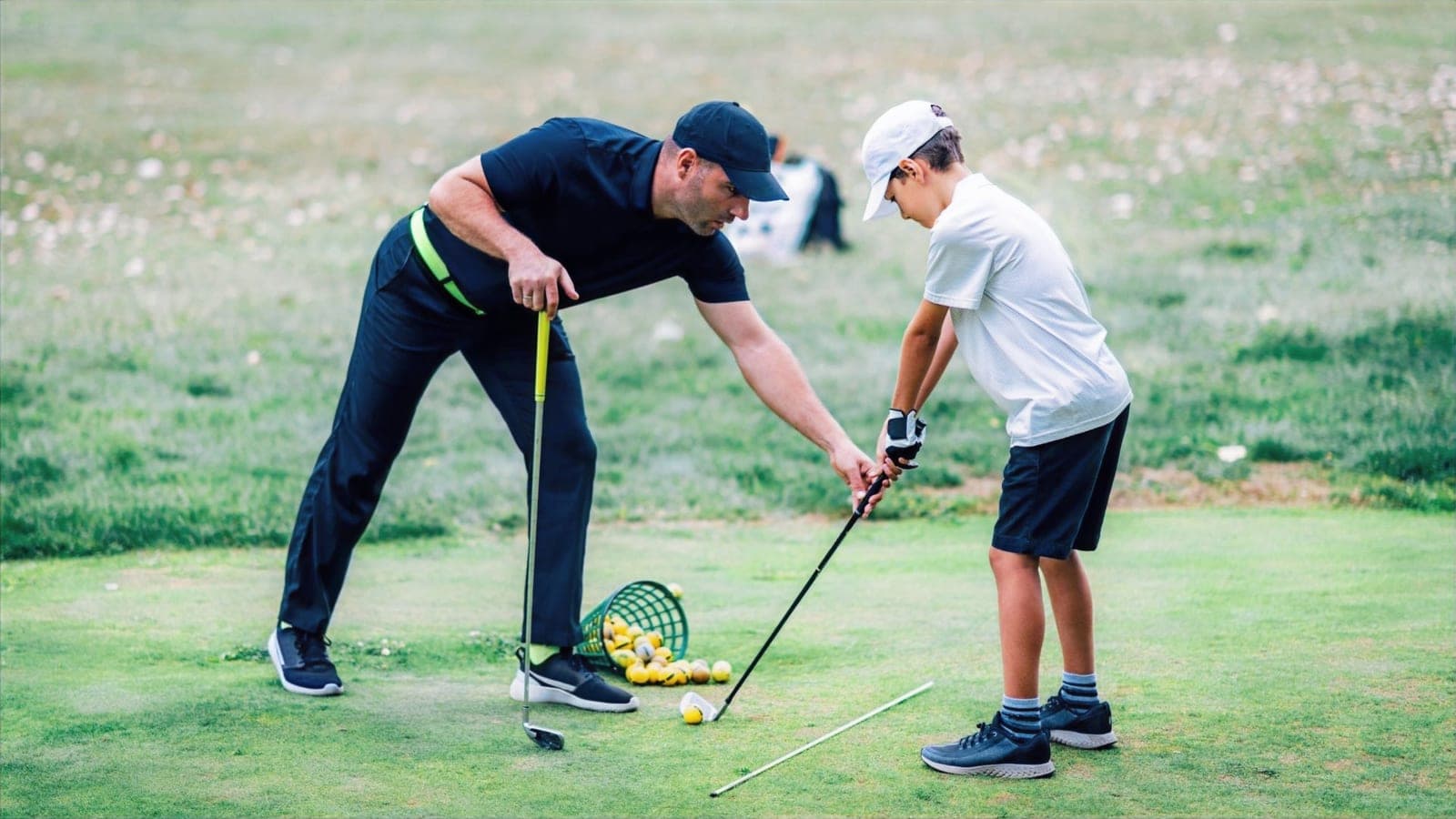
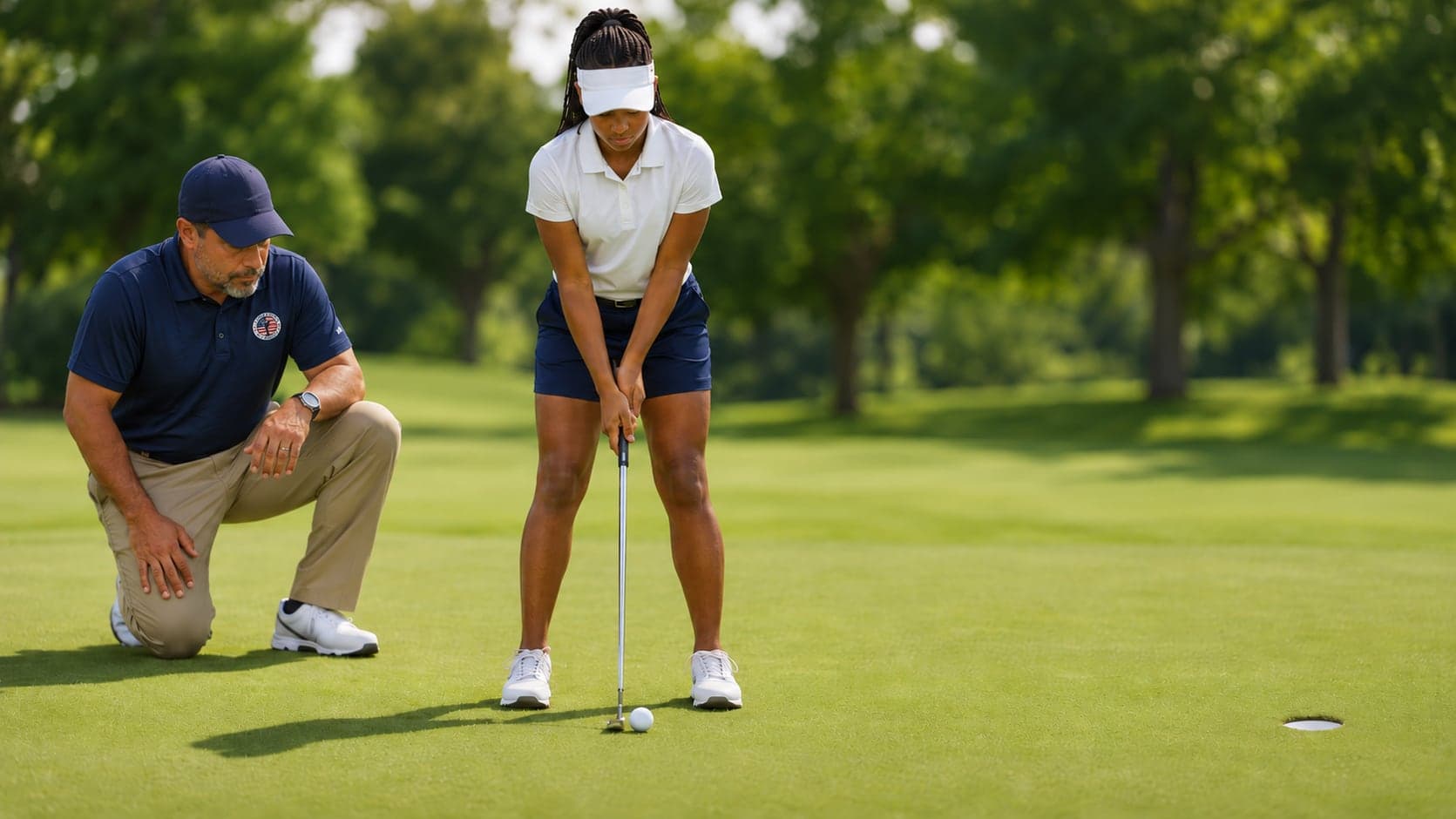
The PGA of America's advice to golf parents fits in one line: give your child room to grow by letting the coach handle the advice. The Positive Coaching Alliance says the same, urging parents to let coaches coach rather than shouting instruction from the sidelines or stands, which can confuse or overwhelm a young player.
Mike Thomas, a PGA Master Professional who coaches his son, PGA TOUR winner Justin Thomas, and guided him through junior golf, told the AJGA that very few parents are credible teachers and few children respond to a parent's instructions the way they do to an instructor's. His advice: "let a qualified teacher work with your children."
Good coaching matters more than many families realize. Project Play points to research by Smoll and Smith in which only 5% of children chose not to play their sport again when their coaches were trained in skills and communication, compared with 26% when coaches had no such training. Finding the right coach, and then trusting them, is one of the best gifts a parent can give.
Praise the Process, Not Just the Score
Golf hands out a number at the end of every round, so it is easy for the whole family to live and die by it. Coaches would rather you looked somewhere else. The Positive Coaching Alliance teaches parents an idea it calls the ELM Tree of Mastery, short for Effort, Learning and Mistakes are OK. The point is to tell your child you appreciate their best effort even when it falls short, and to value learning and improvement over results and comparison with other kids.
Pediatricians agree. The American Academy of Pediatrics encourages parents to praise effort, not just results, and to de-emphasize outcomes, especially for younger kids. The PGA of America adds that every athlete goes through stretches where they do not improve, and it suggests reachable intermediate goals rather than a fixation on the final score. A slump is part of the game, not a verdict on the player.
Your child already knows the score. What they need on the ride home is to know you're glad you were there.
The Car Ride Home
The drive home deserves its own advice. The Positive Coaching Alliance asks parents to resist the temptation to critique when they talk with their athlete after a game, and its Second-Goal Parent checklist asks parents to avoid immediate and critical debriefs right after a game or practice, and to do more listening than talking.
Mike Thomas put it in a way every golf parent can remember: "Kids already know when they don't perform to their standard, they don't need to be reminded of it." When his son brought up something negative as a junior, he steered the conversation to what had gone well. In his words, "Positive reinforcement is more powerful than negative comments."
So let your child talk first, or not at all. Ask what was fun, which shot they were proudest of, or simply what they want for dinner. Save swing talk for the coach and another day. If your child seems discouraged, the PCA suggests using that moment to connect with them. Our guide to a first junior golf tournament has more on helping a junior through a hard day.
Keep It Fun, and Leave Room to Rest
Fun is not a bonus. It is the reason kids stay. The American Academy of Pediatrics says kids name fun as their top reason for playing sports, and Project Play reports that the average child spends less than three years playing a sport, quitting by age 11. Burnout is real, and it can leave a young athlete feeling physically or mentally exhausted.
The AAP offers simple guardrails: plan for one to two days of rest every week, take at least two to three months off from the sport during the year, and as a rule of thumb, do not let kids train more hours each week than their age. The PGA of America adds that the motivation has to be the child's own, and that not every junior wants to play tournaments or chase a college scholarship.
Practice can still be playful. Mike Thomas built his juniors' practice around games and scores so competitive kids would want to beat their last mark, and he summed up his hope for every family: "the golf course should be a place they enjoy going to!"
What Your Child Needs Most From You
Underneath all of this advice is one message. The AAP says that knowing you love them unconditionally gives children the confidence they need to enjoy sports to the fullest, and the Positive Coaching Alliance asks parents to tell their kids so at every possible turn. Even college coaches notice the difference. The AJGA's college advisors say coaches are generally hesitant to recruit players whose parents are too involved.
Mike Thomas also said that a parent's financial support is very important and that emotional support is equally important. For many families, the emotional part is the easy part. It is the tournament fees, the travel and the clubs that grow out of reach, and cost is one of the big reasons talented juniors walk away.
Future Golfers of America exists for those families. FGA is a 501(c)(3) nonprofit based in San Antonio that funds talented competitive junior golfers whose families cannot keep up with tournament fees, equipment, coaching and travel. If you coach, mentor or parent a junior like that, nominate them for the Founding Athlete Class by November 30, 2026. And if you want to stand behind every kid on the course, give to support junior golfers, where 100% of donations go to junior golfers directly.
Common Questions
What should I say to my child after a bad golf round?
Less than you think. The Positive Coaching Alliance advises parents to resist critiquing after competition and to listen more than they talk. Let your child bring up the round, focus on effort and what went well, and leave swing fixes to the coach.
How much rest does a junior golfer need?
The American Academy of Pediatrics recommends one to two days of rest every week and at least two to three months off from the sport during the year, and suggests kids not train more hours each week than their age.
Should parents coach their own junior golfer?
The PGA of America advises letting the coach handle the advice, and PGA Master Professional Mike Thomas told the AJGA that few parents are credible teachers for their own kids. Parents help most with encouragement and support.
Sources
- PGA of America, "9 Essential Tips for Junior Golfers: A Parent's Guide to Success" by Justin Blazer, PGA (October 2, 2019)
- Positive Coaching Alliance, "10 Tips for First-Time Sports Parents/Caregivers" (July 2, 2024)
- Positive Coaching Alliance, Second-Goal Parent Self-Assessment
- American Junior Golf Association, "Mike Thomas' Advice for Junior Golf Parents" by Tim Jackman (August 7, 2020)
- American Academy of Pediatrics (HealthyChildren.org), "Burnout in Young Athletes: How to Keep the Fun in Sports" (updated July 26, 2024)
- Aspen Institute Project Play, Youth Sports Facts: Challenges
- American Junior Golf Association, College Golf Advisors' Top 10 Recruiting Questions (last updated April 2024)
- Future Golfers of America, Nominate a Competitive Junior Golfer
- Future Golfers of America, #DriveForJuniors National Fund